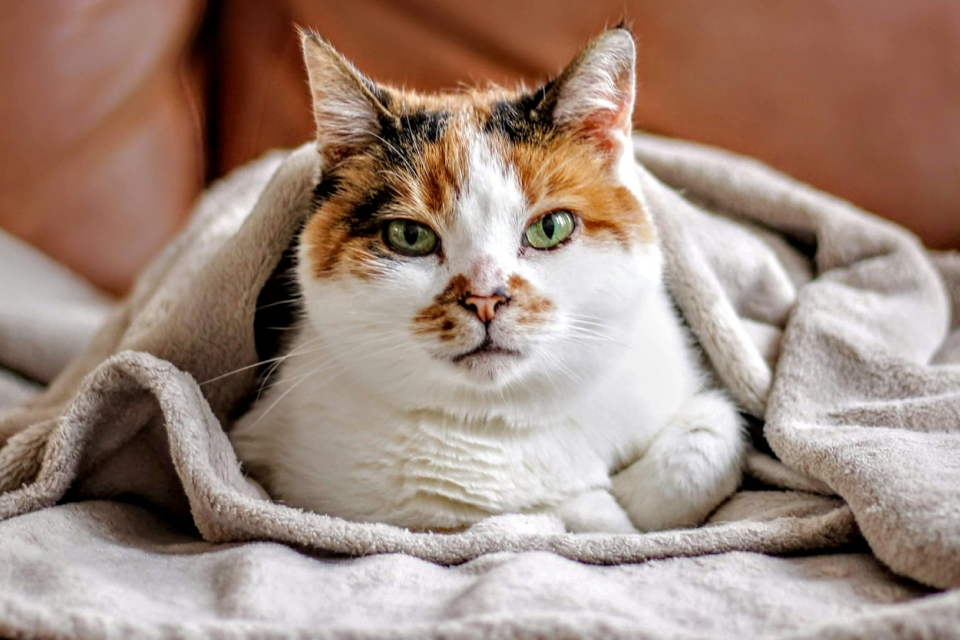
When temperatures drop and winter winds pick up, you might wonder if your cat feels the chill as much as you do. The truth is, cats can get dangerously cold when temperatures dip below 45 degrees Fahrenheit (around 7 degrees Celsius) — and some cats need extra help staying warm even in mild winter weather. Whether you have a pampered indoor cat or care for an outdoor cat, understanding how to keep felines comfortable during cold months helps prevent serious health issues like hypothermia and frostbite.
Cats start feeling uncomfortable when temperatures drop below 45 degrees Fahrenheit, and prolonged exposure to these conditions can lead to hypothermia or frostbite. While cats’ fur provides some insulation, it's not enough protection against severe winter weather. Senior cats, kittens and cats with health conditions are especially vulnerable to cold temperatures and may struggle to regulate their body heat even in moderately cool conditions.
"Cats are susceptible to hypothermia just like humans and dogs," Dr. Aliya McCullough, Fetch's Chief Veterinary Officer, explains. "They are descendents of desert-dwelling ancestors and naturally seek out warm spots, but when the temperatures get too cold, cats can get injured."
Indoor cats instinctively find the coziest spots in your home — sunny windowsills, heat vents and spaces near the fireplace become their favorite winter hangouts. You can help by placing cat beds in these naturally warm areas or investing in pet-safe heated beds for cats who seem cold even at room temperature. Supervise your cat if using a heated bed and make sure they can move away freely if they get too warm, since heated bedding can still cause burns. Avoid placing beds too close to radiators, vents and fireplaces as it could be a fire hazard.
Pay special attention to rooms where your cat spends most of their time. If certain areas of your home get drafty, consider moving your cat's favorite resting spots to warmer locations or adding extra blankets to their beds.
Most cats don't need sweaters — their natural fur coat provides adequate warmth indoors. However, hairless breeds like Sphynx cats, senior cats with thinning fur or cats recovering from medical procedures might benefit from a cozy sweater during colder months. If you do dress your cat, choose clothing that allows free movement and doesn't cause stress. Watch for signs that your cat is uncomfortable, like trying to remove the sweater or moving stiffly.


Outdoor cats need proper shelter to survive winter weather safely. While longer-haired breeds may tolerate cold slightly better, all outdoor cats require insulated shelters elevated off the ground and protected from wind and moisture. Position shelter entrances away from prevailing winds and add straw (not blankets, which can freeze when wet) for bedding and be sure to change it frequently.
Knowing the warning signs of hypothermia could save your cat's life. Early symptoms include lethargy, lack of alertness and skin that feels cold to the touch. Your cat might shiver initially, but as hypothermia progresses, shivering stops even though they're still dangerously cold. Moderate hypothermia causes pale gums and disorientation.
If your cat shows any of these symptoms after cold exposure, wrap them in warm blankets and contact your veterinarian immediately. Never use direct heat like heating pads or hair dryers, which can cause burns. Gradual warming under veterinary supervision is the safest approach.
Senior cats, kittens and cats with chronic health conditions need extra attention during winter months. These vulnerable felines may struggle to retain heat and need additional warmth sources even indoors. Consider keeping their favorite rooms slightly warmer than usual and providing multiple cozy resting spots throughout your home.
Monitor these cats closely for any changes in behavior or appetite during cold weather, as they're more likely to be temperature sensitive. Regular veterinary checkups become even more important during winter to address any health issues that could impact their ability to stay warm such as unintended weight loss or low red blood cell levels.
Winter weather doesn't have to mean discomfort for your cat. By maintaining warm indoor temperatures, providing cozy bedding and watching for signs of cold stress, you can help your feline friend stay comfortable all season long.
The Dig, Fetch Pet Insurance's expert-backed editorial, answers all of the questions you forget to ask your vet or are too embarrassed to ask at the dog park. We help make sure you and your best friend have more good days, but we’re there on bad days, too.
Save up to 90% on unexpected vet bills
Use any veterinarian in the U.S. or Canada
Rated 'Excellent' on Trustpilot
The most comprehensive pet insurance


up to 90% of vet bills – covered.
Every 6 seconds, a pet parent gets a $1000+ vet bill. Care for your pet & your wallet with Fetch.
Get your price