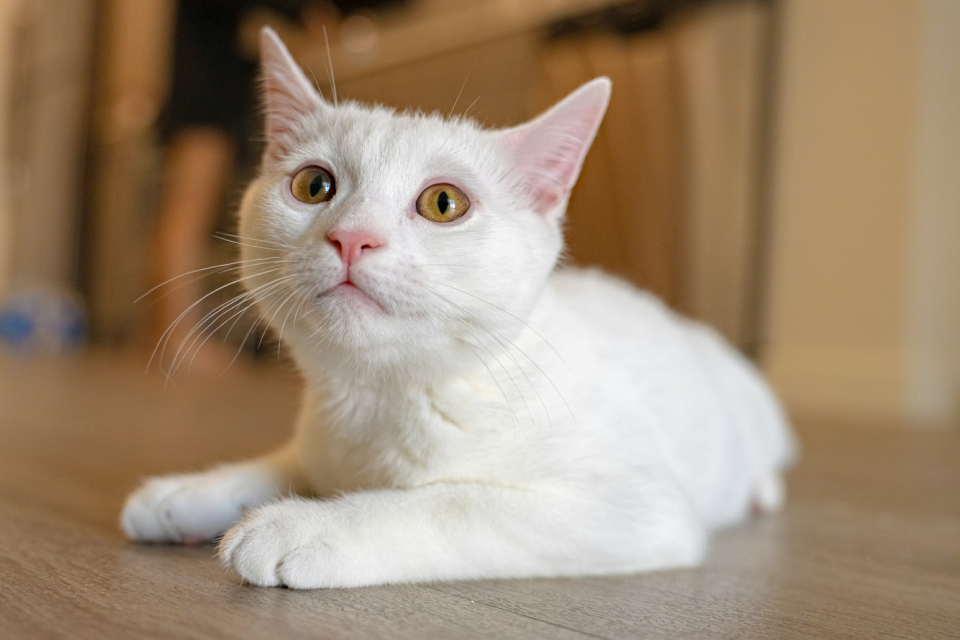
If you've ever called your cat and gotten nothing but a slow blink in return, you might wonder whether they even recognize their name — or if they're just choosing to ignore you. The good news? Your cat definitely knows their name. The less surprising news? They might not always feel like responding to it. Understanding how cats process and respond to their names can help you better communicate with your feline friend and strengthen your bond. Let's explore what's really happening when you call out to your kitty.
Cats learn their names through repetition and positive associations. Every time you say their name while feeding them, playing or giving them attention, they're building a connection between that specific sound and good things happening. "Cats can distinguish their names from other similar-sounding words through consistent exposure and reinforcement," Dr. Aliya McCullough, Fetch's Chief Veterinary Officer, explains. "They're particularly attuned to certain letter sounds and tone and inflection of their pet parent's voice."
Your cat's ability to recognize their name goes beyond simple conditioning. They can actually pick out their name from a string of other words, even when spoken by someone they don't know. Their ears might perk up, their tail might twitch or they might turn their head — all subtle signs that yes, they heard you perfectly well.
Kittens can start learning their names as early as 8 to 12 weeks old, though the process takes time and patience. Young cats have shorter attention spans, so frequent, brief interactions work best. By around 6 months, most cats have a solid understanding of their name, especially if you've been consistent with using it during positive interactions.
Adult cats who join your family can also learn new names relatively quickly. With regular use and positive reinforcement, most adult cats will recognize a new name within a few weeks to a couple of months. The key is consistency — use the same name every time and pair it with pleasant experiences like treats or playtime.
Yes, cats absolutely know when you're calling them specifically. The challenge isn't whether they understand — it's whether they feel motivated to respond. Unlike dogs, who've been bred for thousands of years to work closely with humans, most cats maintain more independence in their interactions with us.
When your cat doesn't come when called, they're making a choice based on their current priorities. Maybe that sunny spot is too comfortable to leave, or perhaps they're in the middle of an important nap. Sometimes the benefit of responding just doesn't outweigh the comfort of staying put.


If you want to strengthen your cat's name recognition or teach a new name, consistency and positive reinforcement are your best tools. Say their name clearly and cheerfully during pleasant activities like feeding time or play sessions. Avoid using their name when you're frustrated or during unpleasant experiences like medication time — you want them to associate their name with good things.
Keep training sessions short and sweet. Cats have limited attention spans for formal training, so work name recognition into your daily routine rather than setting aside dedicated training time. When your cat does respond to their name, reward them immediately with treats, pets or play to reinforce the behavior.
Cats have unique personalities that affect how they interact with the world. Some breeds, like Siamese and Maine Coons, tend to be more vocal and interactive, often responding more readily when called. But individual personality matters more than breed — you might have a chatty tabby who comes running every time or a reserved Siamese who prefers to acknowledge you from afar.
Your cat's past experiences also play a role. Cats who were socialized early and had positive human interactions as kittens often show more responsiveness to their names. Environmental factors matter too — a cat in a quiet home might respond more readily than one in a busy household where their name gets lost in the noise.
Remember that your cat's selective response to their name isn't a sign of disrespect or lack of intelligence — it's actually a sign of their sophisticated decision-making abilities. They're constantly evaluating their environment and making choices based on their needs and desires. When they do choose to respond, it's meaningful.
The Dig, Fetch Pet Insurance's expert-backed editorial, answers all of the questions you forget to ask your vet or are too embarrassed to ask at the dog park. We help make sure you and your best friend have more good days, but we’re there on bad days, too.
Save up to 90% on unexpected vet bills
Use any veterinarian in the U.S. or Canada
Rated 'Excellent' on Trustpilot
The most comprehensive pet insurance


up to 90% of vet bills – covered.
Every 6 seconds, a pet parent gets a $1000+ vet bill. Care for your pet & your wallet with Fetch.
Get your price