

Pet insurance in West Virginia for dogs & cats
Get your price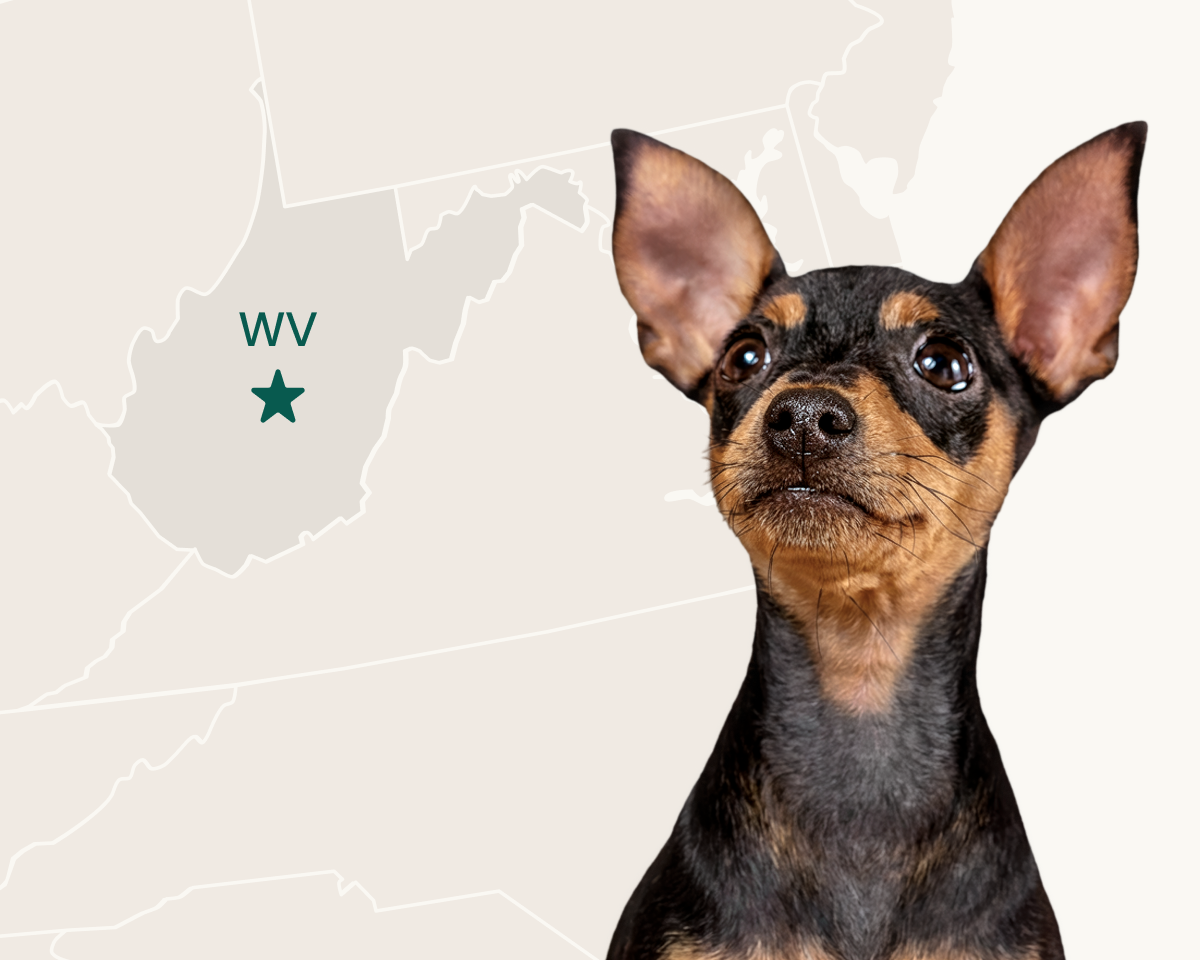
Chihuahua
Most popular breed in West Virginia
How much does pet insurance cost in West Virginia?
In West Virginia, Fetch Pet Insurance averages $26/mo. for dogs and $21/mo. for cats. For these prices, West Virginia pet parents get the most complete coverage, including the best pet insurance at the best price for puppies and kittens. Affordability matters to West Virginia pet parents, who say the cost of having a dog is one of their biggest pet peeves, according to Forbes. That’s why Fetch Pet helps keep pet care expenses down by reimbursing up to 90% of treatment costs for covered accidents and illnesses. This includes conditions pets are more likely to encounter in West Virginia, like tick-borne diseases, snake bites, leptospirosis and heatstroke. Fetch Pet covers more types of injuries and diseases than other providers, so your pet is covered wherever West Virginia’s country roads take you.
Fetch Pet is the most complete pet insurance for accidents & illnesses in West Virginia
When it comes to the best pet insurance in West Virginia, Fetch Pet covers what others limit, charge extra for or exclude entirely. Coverage for full-mouth dental care, behavioral therapy, sick-visit exam fees and more comes standard with Fetch Pet. In 2026, Fetch Pet was voted #1 Best Pet Insurance in the Newsweek Readers’ Choice Awards and named “Best Pet Insurance for Dental Coverage” by Forbes. Our award-winning coverage is also trusted to protect more than 600,000 dogs and cats, including pets in the Mountain State.
Included coverage
Accidents

Emergency vet visits
Hospital stays
Cuts & scratches
Swallowed objects
Broken teeth
Broken bones
Bite wounds
Poisoning
Online vet visits
Illnesses
Sick visits
Vomiting & diarrhea
Skin & ear infections
Cancer treatment
Dental & gum disease
Allergies
Arthritis
Cherry eye
Breed-specific issues
Tests
X-Rays & CT scans
Physical therapy
Surgeries
Ultrasounds
Laboratory tests
Acupuncture & chiropractic care
Treatment for aggression & anxiety
Medications
Accidents, Illnesses & Tests
Emergency vet visits
Hospital stays
Cuts & scratches
Swallowed objects
Broken teeth
Broken bones
Bite wounds
Poisoning
Explore Accident & Illness

Optional coverage
Wellness
Accident and Illness pet insurance doesn’t include preventive care coverage. By adding it, you’ll also get money back for the vet visits that help keep your pet healthy, like:
Annual exams
Vaccinations
Spaying/Neutering
Dental cleanings
Heartworm, flea & tick prevention
Explore preventive add-on
Common pet health risks in West Virginia
West Virginia is one of the most forested states in the country and a dream for outdoorsy pet parents. Dogs can become official B.A.R.K. Rangers at New River Gorge National Park and Preserve or go tubing with their families in Harpers Ferry. All that outdoor fun can come with a few health risks for pets, like ticks, snake bites, toxic plants, leptospirosis and heatstroke. Fetch Pet covers more injuries and illnesses than other providers, including the ones pets are more likely to encounter in West Virginia.
Take a look at what a 90% reimbursement and a $300 deductible looks like in these examples:
What is leptospirosis?
Leptospirosis is a bacterial disease that’s spread through the urine of infected animals, which contaminates soil and water. It’s most often found in wet environments, especially after heavy rainfall and flooding, which are common in West Virginia.
How leptospirosis affects pets: Leptospirosis can damage pets’ livers and kidneys, causing fever, decreased appetite, vomiting, diarrhea and other complications. Dogs and cats can get leptospirosis from contaminated water or soil, though it’s more common in dogs.

Why pets in West Virginia are at an increased risk
A nationwide study published in The Veterinary Journal identified leptospirosis hotspots in West Virginia, with Webster County having the highest predicted risk for dogs in the U.S. The study linked this finding to the state’s high annual precipitation. The wet conditions that spread leptospirosis are intensifying; WVU reports that rainfall across the state is becoming heavier and more extreme.
Leptospirosis
Fetch pays back: $1,405
Average cost to treat: $1,895


What is heatstroke?
Heatstroke is a serious condition that happens when a dog or cat gets too hot to cool themselves down. Pet parents should watch out for this when temperatures are above 75 degrees, especially on walks.
How heatstroke affects pets: Signs of heatstroke in dogs and cats include heavy panting, excessive drooling, vomiting, diarrhea, weakness and collapse. Get your pet to the vet as soon as possible if they show symptoms of a heat-related illness.
Why pets in West Virginia are at an increased risk
West Virginia summers are warm and humid, with average highs around 87 degrees in Charleston, according to The National Weather Service. Weather like this can quickly become dangerous for pets on walks or cars alike. The West Virginia DMV warns that even on a 78-degree day, a parked car can reach 100–120 degrees within minutes, putting pets at risk of heatstroke.
Heatstroke
Fetch pays back: $1,388
Average cost to treat: $1,876
What are venomous snake bites?
A venomous snake bite is a serious injury where a snake’s fangs pierce the skin and inject toxic venom. In West Virginia, these bites can come from Copperheads and Timber Rattlesnakes, according to the West Virginia Division of Natural Resources (WVDNR).
How venomous snake bites affect pets: Rattlesnake and Copperhead bites have similar side-effects in pets including pain, swelling and tissue damage. Rattlesnake bites, however, are more likely to be fatal. Treatment may require pain management, IV fluids or antivenom.
Why pets in West Virginia are at an increased risk
Copperheads are found throughout West Virginia, especially in rocky, wooded areas and even cities, while Timber Rattlesnakes are less common and prefer mountainous terrain, according to the WVDNR. Both snakes blend into their surroundings and may strike if threatened, putting pets at risk if they accidentally get too close.
Venomous snake bites
Fetch pays back: $921
Average cost to treat: $1,357
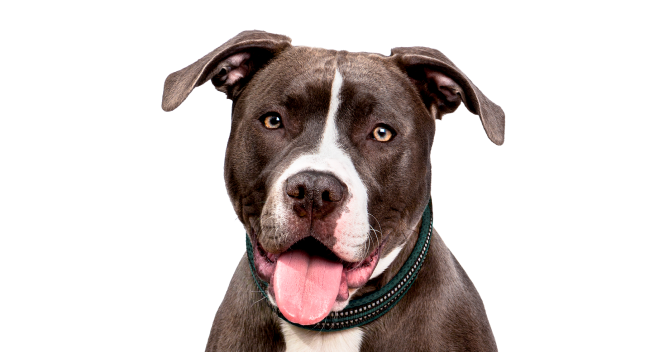
What are toxic plants?
“Toxic plants” is a broad term for plants that naturally contain substances harmful to animals and people, especially when ingested. Curious dogs and cats often explore their environment by chewing, which increases the chances they’ll eat something they shouldn’t.
How toxic plants affect pets: The severity of illness depends on the type of plant, with some being more toxic than others. For example, the ASPCA warns that buttercups can cause upset stomachs in pets, while West Virginia’s state flower, rhododendron, could be fatal.
Why pets in West Virginia are at an increased risk
Toxic plants grow wild across West Virginia in places pets may explore. WVU says buttercups grow in lawns, gardens and pastures. Rhododendron is also widespread, growing throughout West Virginia’s forests, especially in ravines and on hillsides, according to the National Park Service.
Toxic plants
Fetch pays back: $375
Average cost to treat: $750
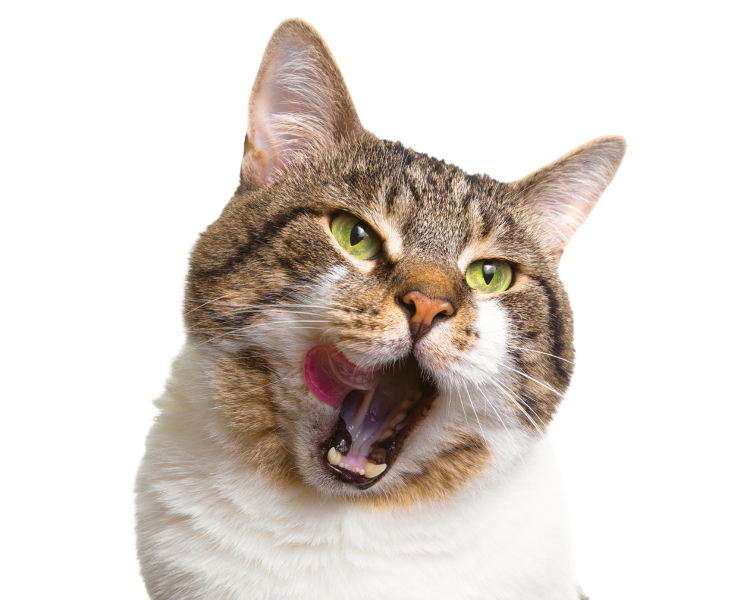
What are tick-borne diseases?
Tick-borne diseases are infections that animals and people can get from tick bites. According to the West Virginia Department of Health, Lyme disease is the most common tick-borne disease in West Virginia. Anaplasmosis and ehrlichiosis have also been reported in the state.
How tick-borne diseases affect pets: Symptoms can be similar across tick-borne diseases and may include fever, swollen lymph nodes, coughing, loss of appetite, vomiting and diarrhea. Dogs tend to be affected more often than house cats because ticks are typically picked up outdoors, especially in wooded areas.
Why pets in West Virginia are at an increased risk
Forests cover over a third of West Virginia, according to the USDA Forest Service, meaning tick habitat stretches across most of the state and puts local pets at risk of exposure. WVU says blacklegged ticks are especially common in forests and along woodland edges. These ticks can spread Lyme disease, and CDC data shows West Virginia had one of the nation's highest reported rates of this tick-borne illness in 2022.
Tick-borne diseases
Fetch pays back: $237
Average cost to treat: $264


Deductible has been met in this example.
The pet insurance claims process for West Virginia pet parents
It’s fast and easy to submit claims and get reimbursed for approved claims with Fetch Pet.
1
You pay the vet first
You pay your pet’s bill in full at the veterinarian’s office during your visit.
2
Submit a claim to get paid back
Upload a picture of your paid invoice and supporting medical records and submit them in the Fetch Pet Insurance app.
3
Get reimbursed — fast
Claims are typically processed in less than 10 days. Once approved and you’ve met your deductible, get paid back up to 90% straight to your bank account when you set up direct deposit.
Add Fetch Wellness & save on care that helps keep your pet healthy in West Virginia
When you sign your pet up for Fetch Pet, you have the option to add a Wellness plan to your pet insurance, so you’ll also get money back for vaccines, annual checkups, preventive oral care, spaying/neutering and more. With coverage for both unexpected and preventive vet care, your pet (and your wallet) will have total protection.
Get your price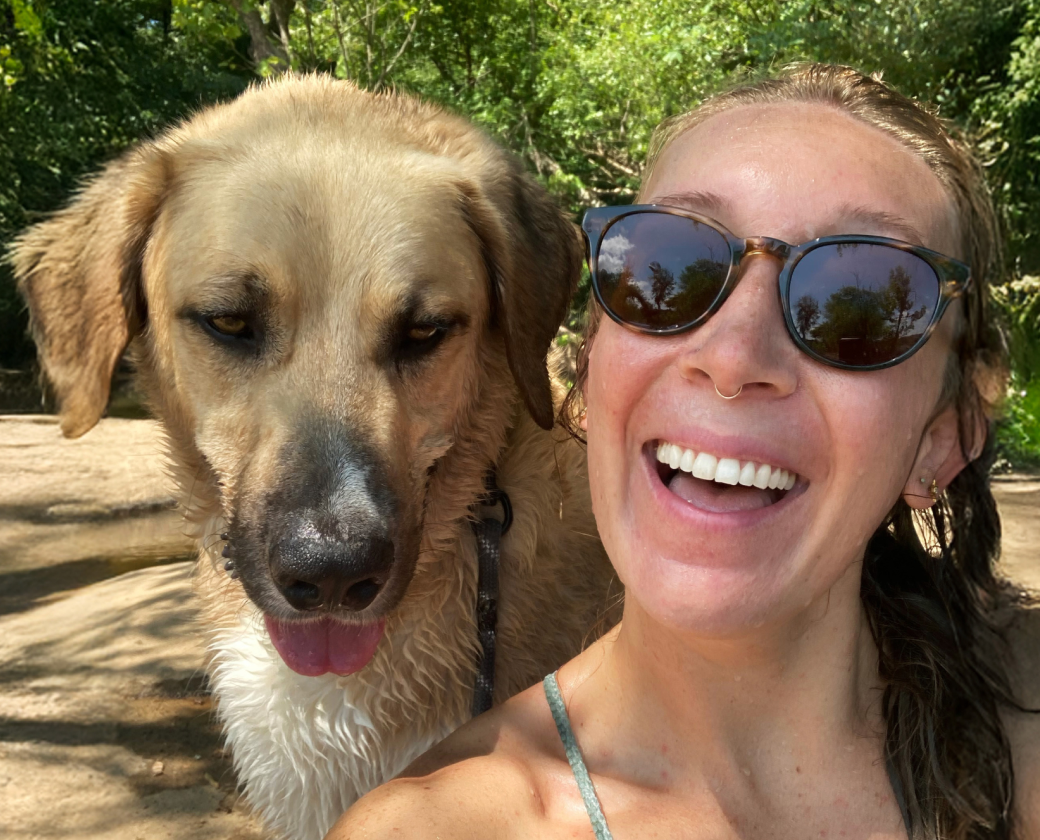

Beauregard & Mary
Fetch Members since 2023
Your West Virginia pet insurance questions, answered
Does Fetch Pet Insurance cover pre-existing conditions in West Virginia?
No pet insurance covers all pre-existing conditions in West Virginia or anywhere else — this includes Fetch Pet. Curable pre-existing conditions, however, are covered by Fetch Pet. These are medical issues that can be completely cured with no recurrence of signs or symptoms (think: urinary tract infections, burns and bite wounds). In order for the condition to be considered curable, your pet must go 1 policy year completely symptom-free from the issue.
How much does Fetch Pet Insurance cost in West Virginia?
In West Virginia, Fetch Pet Insurance averages $26/mo. for dogs and $21/mo. for cats. Your pet’s breed, age and where you live in the state determine your actual cost. This is important because West Virginia’s most popular breeds are prone to hereditary and congenital conditions. For example, Yorkshire Terriers are more likely to develop liver disorders, while Chihuahuas commonly have gastric issues. Unlike other pet insurance, Fetch Pet includes coverage for breed-specific conditions — no add-on required.
Does Fetch Pet cover dental disease for pets in West Virginia?
Yes, Fetch Pet covers dental diseases for pets in West Virginia and is the only insurer to cover injury and disease in every adult tooth, plus your pet’s gums up to your max limit. It’s why Forbes named Fetch Pet the “Best Pet Insurance for Dental Coverage” in 2026. Fetch Pet’s complete dental coverage includes reimbursement for periodontal disease (the most common disease in dogs and cats) as well as fractured teeth, extractions, root canals and more. Other insurers don’t offer this coverage. Since 80% of dogs and 70% of cats show signs of periodontal disease by age 3, according to the American Veterinary Dental College, the full-mouth dental coverage that comes standard with Fetch Pet makes it more affordable for West Virginia pet parents to give their pets the care they need to live longer, healthier lives.
What is the waiting period for Fetch Pet Insurance in West Virginia?
Fetch Pet has no waiting period for accident coverage in West Virginia or anywhere else in the U.S. and Canada. With Fetch Pet, West Virginia pet parents can start getting paid back for accidents that happen the day after they sign up (also known as your “policy effective date” in insurance-speak). Other providers make pet parents wait up to 2 weeks for accident coverage. Fetch Pet also doesn’t have a waiting period for Wellness coverage, if added. There is a 15-day waiting period for illness coverage.
What are the biggest pet health risks in West Virginia?
West Virginia’s forests, waterways and climate can put pets at greater risk of certain health issues. The state is a known hotspot for canine leptospirosis and has one of the nation’s highest reported rates of Lyme disease. Outdoor adventures can also expose pets to toxic plants, venomous snake bites and harmful algal blooms. Fetch Pet reimburses up to 90% of treatment costs for these health risks in West Virginia, in addition to injuries and illnesses other providers don’t cover. Give your dog or cat the most complete protection in the U.S. or Canada with Fetch Pet.
What West Virginia laws affect dogs and cats?
West Virginia has laws for rabies vaccinations, dog licensing, spaying and neutering and more that affect dog and cat parents. Some requirements may vary depending on whether a pet was adopted from a shelter or purchased from a breeder. Search the West Virginia Code for statewide pet-related laws. Your community may have additional regulations, so be sure to check with your local animal control office for rules that apply in your town.
Can I use any veterinarian in West Virginia with Fetch Pet Insurance?
Yes, Fetch Pet lets you use any veterinarian in West Virginia and across the U.S. and Canada — they’re all covered. With no networks, you have the freedom to find the best care where and when you need it, including specialists and emergency clinics. Whichever vet you choose, it’s easy for West Virginia pet parents to submit a claim and get paid back quickly.
How much does Fetch Pet Insurance cost per month?
Across the U.S., Fetch Pet Insurance costs an average of $34/mo. for dogs and $22/mo. for cats. Your actual price is based on 3 key factors: your pet’s age, breed and where you live. Younger pets generally cost less to insure, while certain breeds and areas with higher vet costs may have higher prices. With Fetch Pet, you can customize your price to fit your pet and your budget. Read more about pet insurance costs and see how Fetch Pet compares to other providers.
Does Fetch Pet Insurance include virtual vet visits and preventive care?
Yes, Fetch Pet Insurance includes coverage for virtual vet visits. Preventive care is optional.
Unlike other providers, Fetch Pet reimburses virtual visits with any licensed vet at 100%, up to $1,000/yr., with no copay or deductible. Get a diagnosis and treatment plan for your pet right from your phone. This coverage comes standard for Fetch Pet members.
Add an optional Fetch Wellness plan to also get paid back for the care that helps keep your pet healthy, like vaccines, flea and tick medications, preventive oral care and more. There are 3 plans to choose from, so you can find one that fits your pet and your budget. Give your dog or cat total protection in West Virginia when you add Fetch Wellness to your pet insurance.
Is Fetch Pet Insurance available in Charleston, Huntington and Morgantown?
Yes, Fetch Pet is available in West Virginia, including Charleston, Huntington and Morgantown. Pet parents anywhere in the U.S. and Canada can enroll once their dog or cat is at least 6 weeks old. Fetch Pet reimburses up to 90% of eligible vet bills, including those from veterinary specialists and emergency clinics in either country.