
Pet insurance in New York — coverage for dogs & cats
Get your price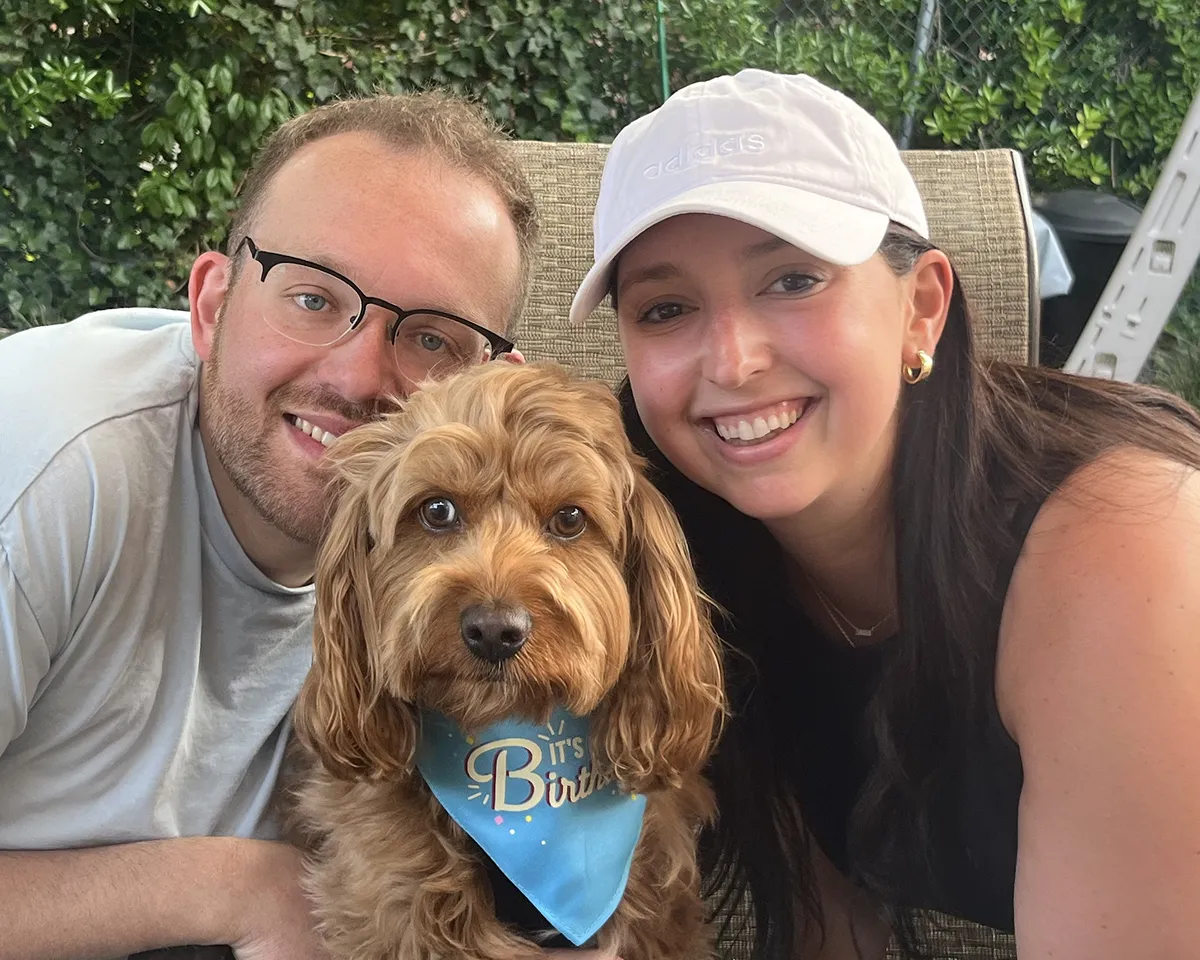

Queens, New York
Nick, Enzo & Ali
Fetch Members since 2024
How much does pet insurance in New York cost & does my dog or cat really need it?
In New York, you can protect your pet with Fetch for an average of $38/mo. for dogs and $23/mo. for cats. If you have a young pet, Fetch is the best pet insurance at the best price for puppies and kittens everywhere. That’s especially important in New York, where hot, humid summers put pets at risk for heat exhaustion and cold, snowy winters bring paw hazards from salt and chemical-spewing commercial de-icers in NYC. In Long Island, the Catskills and the Hudson Valley, heavily wooded areas put dogs and cats in danger of contracting tick-borne diseases. Fetch reimburses you for treating these conditions and more with the most complete pet insurance. Plus, Fetch covers every veterinarian, specialist and emergency clinic in the state (we don’t have networks), so giving your pet a longer, healthier life is more affordable and convenient.
Fetch is the most complete pet insurance for accidents & illnesses in New York
Others charge extra for coverage that comes standard with Fetch, including for dental diseases, sick-visit exam fees, behavioral therapy, telehealth and more. This is one of the reasons why lifesaving New York shelters, like Best Friends Animal Society and North Shore Animal League America, recommend Fetch — the #1 pet insurance for shelter and rescue pets.
Included coverage
Accidents

Emergency vet visits
Hospital stays
Cuts & scratches
Swallowed objects
Broken teeth
Broken bones
Bite wounds
Poisoning
Online vet visits
Illnesses
Sick visits
Vomiting & diarrhea
Skin & ear infections
Cancer treatment
Dental & gum disease
Allergies
Arthritis
Cherry eye
Breed-specific issues
Tests
X-Rays & CT scans
Physical therapy
Surgeries
Ultrasounds
Laboratory tests
Acupuncture & chiropractic care
Treatment for aggression & anxiety
Medications
Accidents, Illnesses & Tests
Emergency vet visits
Hospital stays
Cuts & scratches
Swallowed objects
Broken teeth
Broken bones
Bite wounds
Poisoning
Explore Accident & Illness

Optional coverage
Wellness
Accident and Illness pet insurance doesn’t include preventive care coverage. By adding it, you’ll also get money back for the vet visits that help keep your pet healthy, like:
Annual exams
Vaccinations
Spaying/Neutering
Dental cleanings
Heartworm, flea & tick prevention
Explore preventive add-on
Common pet health risks in New York
An estimated 600,000 dogs and 500,000 cats call New York City home. Throughout the five boroughs, pets are uniquely prone to health risks, including kennel cough, due to frequent close contact with other pets and gastro issues from eating sidewalk scraps. Outside of the Big Apple, New York pets face threats of disease from an active, surging tick population. Here are the top reasons why dogs and cats see vets in Westchester, Syracuse, Rochester and throughout the state — and how having the most complete accident and illness coverage with Fetch can save you thousands.
Take a look at what a 90% reimbursement and a $300 deductible looks like in these examples:
What is Leptospirosis?
Leptospirosis is a serious disease caused by Leptospira, a bacteria often found in water and damp soil contaminated by the urine of infected wildlife. It’s rarer in cats and typically affects dogs.
How Leptospirosis affects pets: Common signs include loss of appetite, vomiting, lethargy, abdominal pain, diarrhea, jaundice (yellowing of the skin), dehydration, drinking or urinating more than usual, weight loss and stiffness or muscle pain.

Why pets in New York are at an increased risk for Leptospirosis
Leptospirosis commonly threatens dogs in the country, like those in Upstate and rural New York, with access to ponds, puddles and rainfall that help spread the disease. Unfortunately urban dogs are also vulnerable, as New York City’s rats have been identified as carriers of Leptospirosis, infecting pets through direct contact and rat urine in puddles.
Leptospirosis
Fetch pays back: $1,405
Average cost to treat: $1,895


What gastrointestinal issues do pets face in New York?
It’s not uncommon for New York City dogs to treat the sidewalk like a buffet, which puts them at risk of eating food or garbage infected with harmful bacteria such as Bacillus, Clostridium botulinum, Salmonella, Staphylococcus and Streptococcus. This behavior also puts city dogs at risk of ingesting the parasite that causes Giardia.
How gastrointestinal issues can affect New York pets: Dogs that ingest bacteria may experience a condition called garbage toxicosis (also known as “garbage gut”), which shares many symptoms with Giardia, including diarrhea, vomiting, nausea, abdominal pain and appetite loss.
Why pets in New York are at an increased risk of developing GI issues
City dogs are often tempted to eat strange food they find on notoriously unsanitary surfaces and drink from puddles where infectious bacteria and parasites thrive. Pure Paws Vet estimates that as many as 11% of NYC’s dog population has Giardia at any given time, likely due to both Giardia’s resiliency (the parasite that causes the disease can survive for several months outside in cold water or soil according to the CDC) and New York City’s population density, which creates the perfect conditions for rapid spread.
Gastrointestinal issues
Fetch pays back: $276
Average cost to treat: $641


What is kennel cough?
Kennel cough is a highly contagious upper respiratory infection in dogs typically caused by a combination of bacteria and viral infections. It’s the common name given to bronchitis in dogs.
How kennel cough affects pets in New York: Kennel cough presents in a forceful, hacking cough that often sounds like a dog has something stuck in their throat. Some dogs will also have a runny nose, sneezing or eye discharge, while otherwise appearing healthy and even maintaining their appetite over the days or weeks the cough persists.
Why pets in New York are at an increased risk for kennel cough
Kennel cough is aptly named, as it spreads quickly in close quarters like kennels and shelters — or in dense metro areas like Manhattan, the Bronx and Queens. According to PetMD, it’s common for kennel cough to affect dogs in cities that facilitate a large number of dog-to-dog interactions while walking down busy streets or frequenting dog parks with shared water bowls.
Kennel Cough
Fetch pays back: $236
Average cost to treat: $263


Deductible has been met in this example.
What is heatstroke?
Heatstroke, also known as hyperthermia, is a potentially life-threatening condition that occurs when a pet’s body temperature becomes dangerously high due to exposure to extreme heat. Pets can’t regulate their body temperatures the way humans do — dogs, for example, rely primarily on panting to cool down.
How heatstroke can affect pets: Signs of heatstroke include excessive panting and drooling, rapid breathing, abnormal gum and tongue color, unsteadiness and collapse. Heatstroke can happen rapidly and cause widespread, potentially permanent organ damage.
Why pets in New York are at an increased risk of heatstroke
The sidewalks of New York City, Albany and Syracuse can get hot in the summer. Asphalt temperature on an 85-degree day can reach around 130 degrees. Pet parents should also know that brachycephalic dogs — like New York’s most popular breed the French Bulldog or the Pug — are at an increased risk of heat-related illness.
Heatstroke
Fetch pays back: $1,388
Average cost to treat: $1,876


How do New York winters affect the health of city dogs?
In the winter, efforts are made citywide to de-ice the streets and sidewalks. While this keeps people safe, it introduces several hazards for dogs, from chemical exposure on their paws to the ingestion of these chemicals when they lick their paws.
How commercial de-icing can affect pets: Most commercial de-icing products contain either salt or harsh chemicals that are not safe for pets, like potassium, magnesium chloride or calcium salts. These compounds can cause irritation, chemical burns and cracked paw pads. And for dogs who can’t help but lick and repeatedly ingest these chemicals, gastrointestinal problems may develop, such as vomiting and diarrhea.
Why pets in New York are at an increased risk of winter hazards
Unlike suburban or rural dogs that can avoid salted roads and sidewalks, New York City dogs have no choice but to walk on treated pavement all winter long. Every walk means direct paw contact with these chemicals, and many dogs will try to lick their paws clean afterward. Consider Fetch, the most complete dog insurance, to help keep your canine friend healthy and safe over long New York winters.
Winter Paw Hazards
Fetch pays back: $261
Average cost to treat: $291
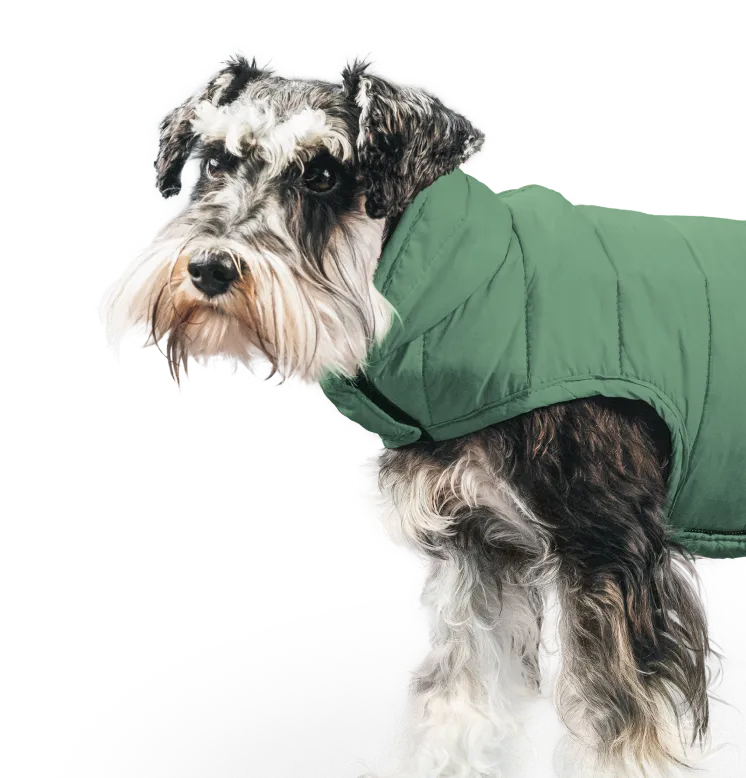
Deductible has been met in this example.
What are tick-borne illnesses?
When pets are bitten by ticks, disease-causing bacteria can be transmitted. Any resulting infection is known as a tick-borne illness. These include Anaplasmosis, Babesiosis, Lyme, Rocky Mountain Spotted Fever, Ehrlichiosis, Powassan Virus, Heartland Virus and Tularemia.
How tick-borne illnesses affect pets: Dogs experience similar symptoms when infected with Anaplasmosis, Lyme or Rocky Mountain Spotted Fever — all prevalent in New York. These include fever, lethargy, loss of appetite, limping (also known as lameness) and abnormal bleeding. Preventive medication, like those covered by Fetch Wellness, can help pets avoid contracting tick-borne illnesses.
Why pets in New York are at an increased risk of tick-borne illnesses
The grassy, wooded areas in upstate New York and Long Island are more than welcoming to the 5 tick species identified in the state by Cornell University: the blacklegged tick, the lone-star tick, the American dog tick, the Gulf Coast tick and the Asian longhorned tick. A worrying number of ticks have also begun to show up in New York City’s parks, and the Empire State consistently tops the CDC’s list as a U.S. hotspot for Lyme disease.
Tick-Borne illnesses
Fetch pays back: $238
Average cost to treat: $264
Deductible has been met in this example.
How to get paid back for vet bills in New York
It’s fast and easy to get reimbursed for approved claims with Fetch.
1
You pay the vet first
You pay your pet’s bill in full at the veterinarian’s office during your visit.
2
Submit a claim to get paid back
Upload a picture of your paid invoice and supporting medical records and submit them in the Fetch Pet Insurance app.
3
Get reimbursed — fast
Claims are typically processed in less than 10 days. Once approved and you’ve met your deductible, get paid back up to 90% straight to your bank account when you set up direct deposit.
Get reimbursed for the preventive care that helps keep your pet healthy in New York
When you sign your pet up for Fetch Pet, you have the option to add a Wellness plan to your pet insurance, so you’ll also get money back for vaccines, annual checkups, preventive oral care, spaying/neutering and more. With coverage for both unexpected and preventive vet care, your pet (and your wallet) will have total protection.
Get your price
Robin & Finnian
Fetch Members since 2024
Your New York pet insurance questions, answered
How much does Fetch Pet Insurance cost in New York?
Fetch costs an average of $23/mo. for cats and $38/mo. for dogs in New York. Your cost is based on the age of your pet, your location and your pet’s breed. If you have one of New York’s most popular dog breeds, like French Bulldogs, Poodles or Golden Retrievers, their breed-specific conditions are covered by Fetch. Other insurers limit this coverage or charge extra for it.
Does Fetch Pet Insurance cover pre-existing conditions in New York?
Fetch doesn't cover all pre-existing conditions — no pet insurance does. Pre-existing conditions are any injuries, illnesses or conditions that your pet shows signs or symptoms of before you sign up for insurance or during your policy’s waiting period of up to 15 days. Fetch does cover curable pre-existing conditions — medical issues that can be completely cured with no recurrence of signs or symptoms. Examples include urinary tract infections, upper respiratory infections, bite wounds and conjunctivitis. In order for a condition to be considered curable, your pet must go 1 policy year completely symptom-free from the issue. Learn more about pre-existing conditions.
Does Fetch cover dental disease and dental cleanings in New York?
Yes, in New York and elsewhere, Fetch covers dental disease in all adult teeth, plus gums — not just the 4 canines like some providers, or no dental disease coverage at all like others. Here’s why this matters: More than 80% of dogs and 70% of cats show signs of periodontal disease by age 3, according to the American Veterinary Dental College. Protect your pet (and your wallet) by signing up for Fetch today.
When you add Fetch Wellness to your accident and illness insurance, your pet is also covered for dental cleanings. This preventive care helps keep your pet (and their teeth) healthy.
Can I use any veterinarian in New York with Fetch Pet Insurance?
Yes, Fetch covers all veterinarians across the entire state of New York (and anywhere in the U.S. and Canada). There are no networks with Fetch, and coverage includes specialists and emergency clinics. With Fetch, you can file claims for vet visits in Rochester, Buffalo, Albany or elsewhere and get paid back up to 90%.
What is the waiting period for Fetch Pet Insurance in New York?
Dog and cat parents in New York that sign up with Fetch have no waiting period for accident coverage or Wellness coverage (if added). An insurance waiting period is the set time between your policy's effective date and when your coverage begins. Like other pet insurance policies, Fetch has a waiting period of up to 15 days before illness coverage starts.
How does Fetch reimburse insurance claims in New York?
Getting reimbursed for claims in New York is fast and easy. First, you pay your vet. Then, upload a photo of your paid invoice and submit it in the top-rated Fetch app, along with any supporting medical records. Claims are typically processed in less than 10 days. Once approved and you've met your deductible, you can get paid back up to 90% straight to your bank account when you set up direct deposit.