

New Jersey pet insurance covering accidents & illnesses
Get your price

Florham Park, NJ
King, Bella & Stephanie
Fetch Members since 2017
How much does pet insurance cost in New Jersey & is it worth it?
You can protect your pet with Fetch in New Jersey for an average of $40/mo. for dogs and $23/mo. for cats. When you sign up with Fetch, you’re getting the most complete coverage, including what other providers charge extra for or don’t cover at all. From hiking Appalachian trails to hitting the beach at Wildwood, the Garden State is a great place for pets to call home — but the state's seasonal climate and tick population create year-round health risks. Fetch pays back up to 90% for treatment related to all of these issues and we cover every veterinarian, specialist and emergency clinic in the state (we don’t have any networks), so you can help your pet live their longest, healthiest life wherever you live.
Fetch is the most complete pet insurance for injuries & illnesses in New Jersey
Coverage others upsell you on comes standard with Fetch, including for dental disease, sick-visit exam fees, behavioral therapy, telehealth visits and more. Fetch makes it more affordable and convenient to give your pet the best veterinary care throughout the Garden State, whether you’re in Newark, Trenton, Cherry Hill, Jersey City or Cape May.
Included coverage
Accidents

Emergency vet visits
Hospital stays
Cuts & scratches
Swallowed objects
Broken teeth
Broken bones
Bite wounds
Poisoning
Online vet visits
Illnesses
Sick visits
Vomiting & diarrhea
Skin & ear infections
Cancer treatment
Dental & gum disease
Allergies
Arthritis
Cherry eye
Breed-specific issues
Tests
X-Rays & CT scans
Physical therapy
Surgeries
Ultrasounds
Laboratory tests
Acupuncture & chiropractic care
Treatment for aggression & anxiety
Medications
Accidents, Illnesses & Tests
Emergency vet visits
Hospital stays
Cuts & scratches
Swallowed objects
Broken teeth
Broken bones
Bite wounds
Poisoning
Explore Accident & Illness

Optional coverage
Wellness
Accident and Illness pet insurance doesn’t include preventive care coverage. By adding it, you’ll also get money back for the vet visits that help keep your pet healthy, like:
Annual exams
Vaccinations
Spaying/Neutering
Dental cleanings
Heartworm, flea & tick prevention
Explore preventive add-on
Common health risks for pets in New Jersey
From exploring the Pine Barrens to walking the waterfront in Liberty State Park and road-tripping down the Turnpike, there’s plenty to enjoy in New Jersey with your dog or cat. But the hot summers, pollen count and abundance of ticks also mean there’s a higher likelihood for certain injuries and illnesses. With Fetch, you’ll have coverage for what others charge extra for or don’t cover at all, so your pet (and your wallet) have the most complete protection.
Take a look at what a 90% reimbursement and a $300 deductible looks like in these examples:
What is heatstroke?
Heatstroke is a life-threatening condition that occurs when a pet’s body temperature rises to dangerous levels. It happens when pets lose the ability to regulate their temperature — dogs and cats don’t sweat like people do, and instead cool themselves primarily through panting and sweating via their paw pads. Cats are generally good at finding shade when they need it, but can still develop heatstroke.
How heatstroke affects pets: Heatstroke or heat-related illness can come on quickly — as little as 30 minutes. Signs include heavy panting, bright red or pale gums, vomiting or diarrhea, weakness, disorientation and collapse. Cats may also groom excessively in an attempt to cool themselves down.

Why pets in New Jersey are at an increased risk
New Jersey summers are typically hot and humid, putting pets at higher risk of heatstroke and other heat-related illnesses or injuries (such as hot asphalt burning paws during summer walks).
Heatstroke
Fetch pays back: $1,388
Average cost to treat: $1,876


What is Lyme disease?
Lyme disease is a serious infection caused by the bacteria Borrelia burgdorferi, which is spread by the black-legged (deer) tick. If your dog is bitten by an infected tick, it can transmit the disease. Cats are rarely affected.
How Lyme disease affects pets: It can take up to 2-5 months after an infected tick bite for signs of the disease to appear. By then, the disease may be widespread throughout the body. Symptoms can include limping that shifts from leg to leg, fever, loss of appetite, decreased activity, swollen lymph nodes and painful, swollen joints. Some dogs with Lyme may also develop kidney complications that can potentially become fatal.
Why pets in New Jersey are at an increased risk
New Jersey consistently has one of the highest Lyme disease rates in the country. Data from the New Jersey Department of Health notes Hunterdon, Sussex and Warren as the counties with the highest reported cases of Lyme in humans, but dogs across the state can also be affected — the Companion Animal Parasite Council (CAPC) lists New Jersey as a high-risk state for Lyme in dogs.
Lyme disease
Fetch pays back: $200
Average cost to treat: $223


Deductible has been met in this example.
What are tick-borne diseases?
Common tick-borne diseases in New Jersey include Anaplasmosis, Babesiosis, Ehrlichiosis and Rocky Mountain Spotted Fever. These bacterial illnesses spread via bites from infected ticks. While dogs are at risk, they are less common in cats.
How tick-borne diseases affect pets: Ticks must be attached for at least 24-48 hours to transmit the bacteria, and it can take up to 2 weeks for clinical signs to appear (with Rocky Mountain Spotted Fever, it can be as little as 2 days). Symptoms will vary depending on the type of infection but can include fever, lack of appetite, lethargy, pale gums, joint pain and loss of balance.
Why pets in New Jersey are at an increased risk
The ticks that spread these illnesses (including the black-legged, lone star and brown dog ticks) are all prevalent throughout New Jersey and the wider Northeast, according to the Centers for Disease Control and Prevention (CDC). Ticks are also surviving winters in larger numbers and staying active for more of the year, per The New York Times, meaning it’s not just a seasonal concern.
Tick-borne diseases
Fetch pays back: $237
Average cost to treat: $264


Deductible has been met in this example.
What are seasonal allergies?
Just like people, dogs and cats can have an immune response to pollen, mold, dust and other environmental triggers that are more prevalent at certain times of the year.
How seasonal allergies affect pets: Dogs and cats primarily experience allergies through their skin, so signs to look for include excessive scratching or biting of their skin or coat, excessive shedding, dogs compulsively licking their paws, anal gland licking, “boot scoots” and chronic ear infections or red, waxy ears. Pets may also experience respiratory issues like coughing or wheezing — these are more common in cats.
Why pets in New Jersey are at an increased risk
There’s a reason it’s called the Garden State: In New Jersey, seasonal allergies are typically at their worst during spring (when tree pollen is most active) and fall (when ragweed pollen takes over). In the summer months, pets and pet parents with allergies also have to contend with grass pollen.
Seasonal Allergies
Fetch pays back: $176
Average cost to treat: $196


Deductible has been met in this example.
What are toxic plants for pets?
Plant toxicity occurs when a dog or cat eats a plant containing substances harmful to their body. Curious pets often explore their environment by chewing, which increases the chances they’ll ingest something they shouldn’t.
How toxic plants affect pets: Depending on the plant, pets may experience symptoms ranging from mild (gastrointestinal issues, like vomiting and diarrhea) to serious (such as breathing problems, seizures and liver or kidney damage).
Why pets in New Jersey are at an increased risk
Plants often found in New Jersey gardens (think: tulips, daffodils, hyacinths and azaleas) can be toxic to dogs and cats. Some plants are harmful for dogs but not cats, and vice-versa: It’s important to know which plants are toxic to your pet and when to seek veterinary care.
Toxic plants
Fetch pays back: $375
Average cost to treat: $750


How claims work for pet parents in New Jersey
It’s fast and easy to get reimbursed for approved claims with Fetch.
1
You pay the vet first
You pay your pet’s bill in full at the veterinarian’s office during your visit.
2
Submit a claim to get paid back
Upload a picture of your paid invoice and supporting medical records and submit them in the Fetch Pet Insurance app.
3
Get reimbursed — fast
Claims are typically processed in less than 10 days. Once approved and you’ve met your deductible, get paid back up to 90% straight to your bank account when you set up direct deposit.
Get paid back for preventive care in New Jersey with Fetch Wellness
When you sign your pet up for Fetch Pet, you have the option to add a Wellness plan to your pet insurance, so you’ll also get money back for vaccines, annual checkups, preventive oral care, spaying/neutering and more. With coverage for both unexpected and preventive vet care, your pet (and your wallet) will have total protection.
Get your price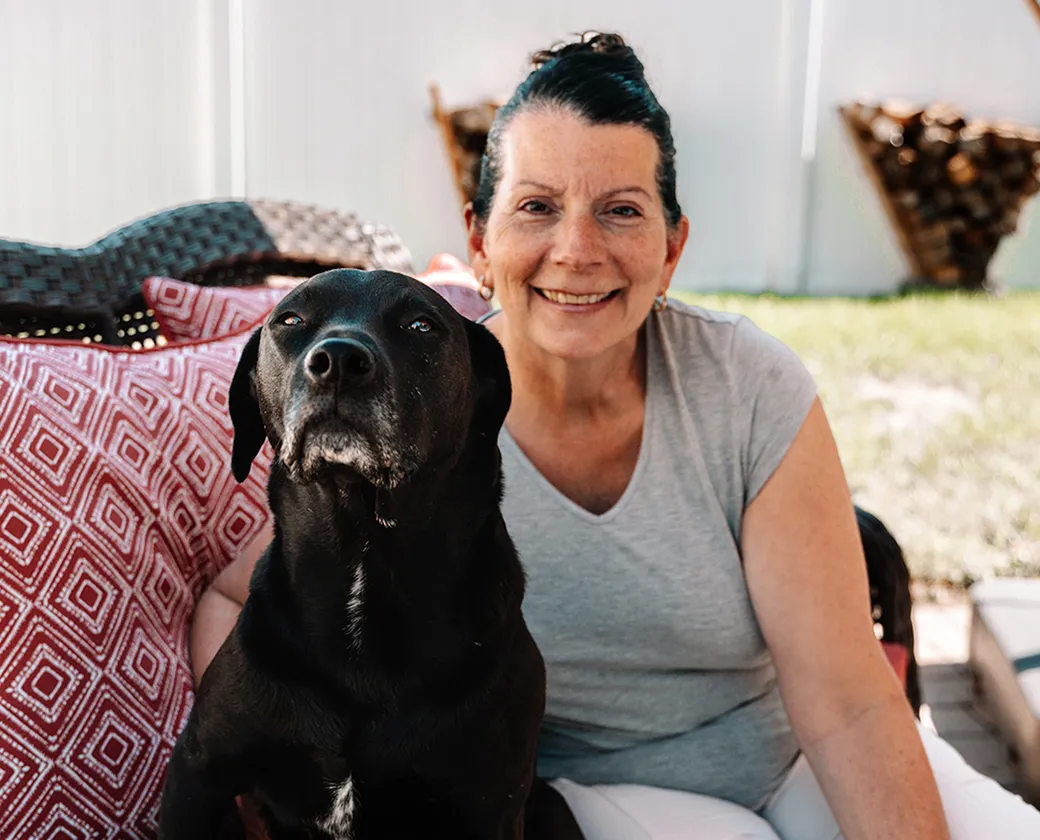
Luca & Annette
Fetch Members since 2023
Your New Jersey pet insurance questions, answered
Does Fetch Pet Insurance cover pre-existing conditions in New Jersey?
Fetch doesn't cover all pre-existing conditions in New Jersey or elsewhere — no pet insurance does. A pre-existing condition is defined as any injury, illness or condition that you or your veterinarian notice signs or symptoms of either before you enroll in insurance or during your policy’s waiting period. These conditions will be noted in your pet's veterinary medical records.
Fetch covers curable pre-existing conditions — medical issues that can be completely cured with no recurrence of signs or symptoms. (Think: urinary tract infections, upper respiratory infections, bite wounds and conjunctivitis.) In order for the condition to be considered curable, your pet must go 1 policy year completely symptom-free from the issue.
How much does Fetch Pet Insurance cost in New Jersey?
Does Fetch Pet Insurance cover dental disease for pets in New Jersey?
Fetch covers dental disease in every adult tooth, plus gums — not just the 4 canines like some providers, or no dental disease at all like others. According to the American Veterinary Dental College, more than 80% of dogs and 70% of cats show signs of periodontal disease by age 3, making full-mouth dental coverage essential for pet parents in New Jersey.
What is the waiting period for Fetch Pet Insurance in New Jersey?
The waiting period is the time a pet insurance provider requires you to wait before your pet’s vet bills are eligible for reimbursement. With Fetch, there is no waiting period for accidents (think: broken bones, scratches or poisoning) and Wellness if you've added it (think: vaccinations and annual exams). Coverage for accidents and Wellness starts on your policy’s effective date (1 day after you sign up). There's a 15-day waiting period for illnesses (think: vomiting, allergies or dental disease), whether you live in New Jersey or elsewhere.
What are the biggest pet health risks in New Jersey?
Because of the state’s high tick population, pets in New Jersey are more susceptible to tick-borne diseases like Lyme disease, Anaplasmosis and Ehrlichiosis. There’s also the risk of seasonal allergies when the pollen count is high and heatstroke during hot and humid summers. These risks make the most complete coverage for injuries and illnesses that Fetch provides — as well as preventive care, such as the vaccines covered when you add an optional Fetch Wellness plan to your insurance — especially important in New Jersey.
Can I use any veterinarian in New Jersey with Fetch Pet Insurance?
Yes, Fetch covers all vets across the entire state of New Jersey, as well as throughout the U.S. and Canada. There are no networks with Fetch, and coverage includes specialists and emergency clinics, too. This means you can file claims for vet bills and get up to 90% of what you paid back in Secaucus, Red Bank and anywhere else in the Garden State.