

Pet insurance in Kentucky for dogs & cats
Get your price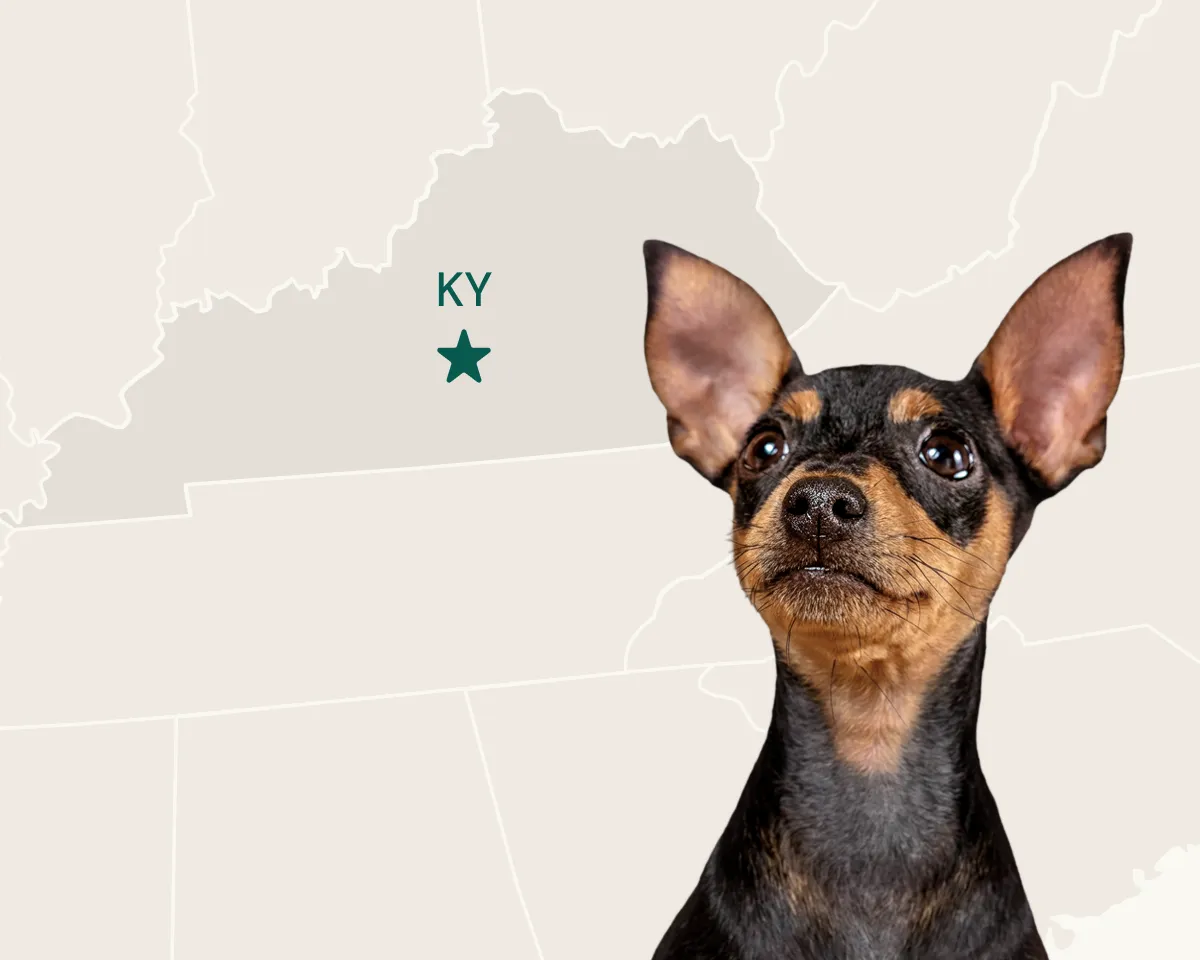
Chihuahua
Most popular breed in Kentucky
How much does pet insurance cost in Kentucky?
In Kentucky, Fetch Pet Insurance averages $26/mo. for dogs and $20/mo. for cats. Your pet’s price is based on 3 factors: their age, breed and where in the state you live. If you have a younger pet, Fetch Pet offers the best pet insurance at the best price for puppies and kittens. That’s especially important in the Bluegrass State, where more than 8 out of 10 pet parents prefer getting a puppy versus an older dog, according to Forbes. Kentucky’s wildlife, humid weather and river valleys put local pets at risk for issues, like heatstroke and tick-borne illnesses. With the most complete coverage in the U.S. and Canada, Fetch Pet reimburses up to 90% of treatment costs, so it’s easier to afford the vet care your pet deserves.
Protect your dog or cat with Fetch Pet, Kentucky’s most complete pet insurance
Coverage that costs extra elsewhere is included with Fetch Pet, like full-mouth dental, sick-visit exam fees, behavioral therapy, online vet visits and more. Plus, you can use any veterinarian or specialist in the U.S. and Canada without worrying about networks. Explore the coverage trusted by 600,000+ Fetch Pet Members, including pet parents in Louisville, Lexington, Bowling Green and Covington.
Included coverage
Accidents

Emergency vet visits
Hospital stays
Cuts & scratches
Swallowed objects
Broken teeth
Broken bones
Bite wounds
Poisoning
Online vet visits
Illnesses
Sick visits
Vomiting & diarrhea
Skin & ear infections
Cancer treatment
Dental & gum disease
Allergies
Arthritis
Cherry eye
Breed-specific issues
Tests
X-Rays & CT scans
Physical therapy
Surgeries
Ultrasounds
Laboratory tests
Acupuncture & chiropractic care
Treatment for aggression & anxiety
Medications
Accidents, Illnesses & Tests
Emergency vet visits
Hospital stays
Cuts & scratches
Swallowed objects
Broken teeth
Broken bones
Bite wounds
Poisoning
Explore Accident & Illness

Optional coverage
Wellness
Accident and Illness pet insurance doesn’t include preventive care coverage. By adding it, you’ll also get money back for the vet visits that help keep your pet healthy, like:
Annual exams
Vaccinations
Spaying/Neutering
Dental cleanings
Heartworm, flea & tick prevention
Explore preventive add-on
Common pet health risks in Kentucky
Whether hiking Mammoth Cave National Park or touring the Bourbon Trail is more your speed, Kentucky has plenty for pets and their people to explore. But, the state’s wooded terrain and humid subtropical climate mean pets could face ticks, snake bites, heatstroke and other hazards. With Fetch Pet, you’ll have the most complete Accident and Illness coverage for these health risks — and more — in Kentucky and beyond.
Take a look at what a 90% reimbursement and a $300 deductible looks like in these examples:
What is leptospirosis?
Leptospirosis is a serious bacterial disease that spreads through the urine of infected wildlife. Animals can get it from contaminated water or soil, especially after heavy rainfall and flooding. The American Veterinary Medical Association (AVMA) identifies the Southwestern, Midwestern and Eastern U.S. as Leptospirosis hotspots, putting Kentucky in a high-risk region.
How leptospirosis affects pets: Both dogs and cats can get leptospirosis, but it’s much more common in dogs. Symptoms can include loss of appetite, vomiting, low energy, diarrhea, belly pain, dehydration, drinking or peeing more than usual, weight loss, stiffness or muscle pain and yellowing of the skin or eyes.

Why pets in Kentucky are at an increased risk
Exposure to stagnant and slow-running water, rural areas, wildlife and farm animals can increase dogs’ risk of leptospirosis — all of which are common in Kentucky. Flooding, a statewide risk, can carry the bacteria into puddles, yards and waterways where pups drink and play. Kentucky also has 12.3 million acres of farmland and more than 1.8 million cattle, per the USDA, adding to the risk of exposure in the state.
Leptospirosis
Fetch pays back: $1,405
Average cost to treat: $1,895


What is heatstroke?
Heatstroke is a life-threatening condition that occurs when a pet’s body temperature is so high they can’t cool themselves down. The American Animal Hospital Association recommends watching for heatstroke when the weather is hot (above 80 degrees) or humid.
How heatstroke affects pets: Heatstroke can come on in less than an hour. If a pet’s body temperature reaches 104 degrees, they may start panting, drooling, vomiting, having diarrhea or experiencing weakness, wobbliness and collapse. It’s important to seek veterinary care right away.
Why pets in Kentucky are at an increased risk
PetMD says that pets in southern states, like Kentucky, are at the greatest risk of heatstroke, with exercise on hot, humid days as a leading cause in dogs. Kentucky summers are commonly humid, sometimes reaching oppressive conditions, according to the National Weather Service, while average July highs range from 82 degrees in the east to 91 degrees in the west.
Heatstroke
Fetch pays back: $1,388
Average cost to treat: $1,876

What are tick-borne bacterial diseases?
Tick-borne bacterial diseases are illnesses pets can get from infected ticks. Examples in Kentucky include Lyme disease, anaplasmosis, ehrlichiosis and Rocky Mountain spotted fever.
How tick-borne bacterial diseases affect pets: Tick-borne bacterial diseases are more common in dogs than cats and tend to cause similar symptoms, including fever, swollen lymph nodes, coughing, loss of appetite, vomiting and diarrhea.
Why pets in Kentucky are at an increased risk
The Companion Animal Parasite Council (CAPC) considers Kentucky high risk for Lyme disease, ehrlichiosis and anaplasmosis, with dogs testing positive for these tick-borne bacterial diseases at rates above the national average. According to the University of Kentucky, the ticks responsible — Brown Dog, Lone Star and Blacklegged — are found across the state.
Tick-borne bacterial diseases
Fetch pays back: $238
Average cost to treat: $264


Deductible has been met in this example.
What is a venomous snake bite?
A venomous snake bite is a potentially fatal injury where a snake’s fangs pierce the skin and inject venom. According to the Kentucky Department of Fish & Wildlife Resources, the state has 4 types of venomous snakes: Copperheads, Cottonmouths, Timber Rattlesnakes and Pygmy Rattlesnakes.
How venomous snake bites affect pets: Venomous snake bites can cause tissue damage, swelling, paralysis and other life-threatening complications in dogs and cats. Treatment may require a hospital stay, pain management and antivenom (medicine that stops more damage) — all covered in our Accident and Illness plan.
Why pets in Kentucky are at an increased risk
Venomous snakes are found throughout Kentucky’s forests, rocky hillsides and along waterways. As temperatures rise, so does the risk of a snake bite, when both snakes and pets are more active outdoors. Naturally camouflaged, snakes are hard to see before a pet gets too close.
Venomous snake bites
Fetch pays back: $921
Average cost to treat: $1,357
What is blastomycosis?
Blastomycosis, also known as “blasto,” is a fungal infection caused by microscopic fungi often found in damp soil. More common in dogs than cats, pups can inhale or ingest the invisible spores while sniffing, digging or exploring outdoors.
How blastomycosis affects pets: Blastomycosis typically starts with a fever, low energy and weight loss, before progressing to coughing and difficulty breathing. The fungi can spread, affecting the eyes, skin, bones and digestive system. Antifungal medications treat the infection, but it may take several months to over a year to clear up.
Why pets in Kentucky are at an increased risk
Kentucky has one of the country’s highest incidences of blastomycosis, according to MiraVista Diagnostics. The disease is enzootic to the state, meaning it’s regularly found in local animals. Being around waterways increases dogs’ risk of contracting blasto. With more than 90,000 miles of rivers and streams in Kentucky, local pets are susceptible.
Blastomycosis
Fetch pays back: $227
Average cost to treat: $253


Deductible has been met in this example.
What is bobcat fever?
Bobcat fever, the common name for cytauxzoonosis, is a parasitic disease that can be deadly for domestic cats. Bobcats carry the parasite, which is where the name comes from, but ticks are what actually spread it. A tick that’s fed on an infected bobcat can pass the parasite to your cat with a single bite.
How bobcat fever affects pets: Symptoms can take up to 2 weeks to show. These may include fever, extreme tiredness, appetite loss and difficulty breathing. Prompt treatment is crucial for a full recovery, often involving hospitalization and IV meds.
Why pets in Kentucky are at an increased risk
Forests cover almost half of Kentucky, one of the most rural states in the country — and PetMD notes that cats living near rural, wooded areas like these are at the highest risk of bobcat fever. The terrain provides ample habitat for the state’s large bobcat and tick populations that spread the disease.
Bobcat fever
Fetch pays back: $180
Average cost to treat: $200


Deductible has been met in this example.
The pet insurance claims process for Kentucky pet parents
It’s fast and easy to submit claims and get reimbursed for approved claims with Fetch Pet.
1
You pay the vet first
You pay your pet’s bill in full at the veterinarian’s office during your visit.
2
Submit a claim to get paid back
Upload a picture of your paid invoice and supporting medical records and submit them in the Fetch Pet Insurance app.
3
Get reimbursed — fast
Claims are typically processed in less than 10 days. Once approved and you’ve met your deductible, get paid back up to 90% straight to your bank account when you set up direct deposit.
Add Fetch Wellness to prevent your pet’s health issues before they start in Kentucky
When you sign your pet up for Fetch Pet, you have the option to add a Wellness plan to your pet insurance, so you’ll also get money back for vaccines, annual checkups, preventive oral care, spaying/neutering and more. With coverage for both unexpected and preventive vet care, your pet (and your wallet) will have total protection.
Get your price

Theo & Brynna
Fetch Members since 2023
Kentucky pet insurance questions, answered
Does Fetch Pet cover pre-existing conditions in Kentucky?
Fetch Pet doesn’t cover all pre-existing conditions — no pet insurance does. A pre-existing condition is any injury, illness or condition that your pet shows signs or symptoms of either before your coverage begins or during your policy’s 15-day illness waiting period. These conditions will be noted in your pet’s veterinary medical records. Any claims for treatment related to a pre-existing condition will not be covered — unless it’s a curable pre-existing condition.
How much is pet insurance for a dog in Kentucky?
In Kentucky, Fetch Pet Insurance averages $26/mo. for dogs. This amount is based on 3 key factors: your dog’s breed, age and where in the state you live. Breed, in particular, can affect your price since some are prone to hereditary and congenital conditions (health issues pets are at greater risk of being born with or developing later because of their breed). For example, Chihuahuas, Kentucky’s most popular dog breed, are prone to heart disease, while German Shepherds, another local favorite, often develop hip joint issues. Conditions, like these, can come with hefty vet bills. Unlike others, Fetch Pet reimburses up to 90% of the costs to treat them — no add-on required.
What is the waiting period for Fetch Pet in Kentucky?
With Fetch Pet, there’s no waiting period for accident coverage. This means Kentucky pet parents can start getting reimbursed for accidents that occur the day after they sign up (also known as your “policy effective date” in insurance-speak). There’s also no waiting period for Wellness coverage, if you add it. For illness coverage, there’s a 15-day waiting period.
What is a waiting period? A waiting period is how long a pet insurance provider requires you to wait before you can start getting paid back for your pet’s vet bills and other eligible coverage. Any signs or symptoms of a condition that are noted in your pet’s veterinary records as well as any vet visits that take place prior to, or during the waiting period, will be considered a pre-existing condition and will not be covered.
Does Fetch Pet cover dental disease for pets in Kentucky?
Fetch Pet covers dental disease for dogs and cats across the U.S. and Canada, including in Kentucky, and was named the “Best Pet Insurance for Dental Coverage” by Forbes in 2026. Only Fetch Pet covers injury and disease in every adult tooth, plus your pet’s gums, up to your max limit. This includes covering what others don’t, like periodontal disease (the most common disease in dogs and cats) as well as broken teeth, extractions, root canals and more. Considering a single root canal averages $3,140, dental coverage isn’t an area to skimp on. Help protect your pet’s smile (and your wallet) with Fetch Pet.
What are the biggest pet health risks in Kentucky?
Kentucky’s warm, humid summers, wet climate, abundant waterways and diverse wildlife can expose pets to a range of health risks. Ticks that carry Lyme disease, ehrlichiosis, anaplasmosis and bobcat fever are widespread in the state’s woods, while wet soil and river valleys harbor harmful bacteria like Leptospira and fungus that causes Blastomycosis. Venomous snakes and heat-related illness are also common threats. Fetch Pet covers conditions caused by these risks, reimbursing up to 90% of treatment costs.
Are there Kentucky laws that pet parents should be aware of?
Yes, many states have laws regarding rabies vaccinations, licensing and a pet parent’s responsibility to keep their dogs and cats safe. To learn more about Kentucky’s pet-related laws, you can visit the Kentucky General Assembly’s website. Cities and counties may also have their own rules, so be sure to check with your local animal control office for anything specific to your hometown.
Can I use any veterinarian in Louisville or Lexington with Fetch Pet?
Yes. With Fetch Pet, you’re free to use any veterinarian in Louisville, Lexington and anywhere else in the U.S. or Canada. This includes emergency vets and specialists. They’re all covered up to 90% for unexpected accidents and illnesses. Fetch Pet also covers online visits, so you can connect with your choice of licensed vet right from your phone. Virtual visits are reimbursed at 100%, up to $1,000/yr., with no copay and no deductible.
Is pet insurance in Kentucky worth it?
Yes, pet insurance is worth it to protect your pet (and your wallet) in Kentucky. In fact, 600,000+ pet parents (and counting) protect their dogs and cats with Fetch Pet. We cover what others don’t or charge extra for, so you can help give your pet a longer, healthier life. This is particularly important in Kentucky, where pets are prone to health risks ranging from disease-spreading ticks to bacterial infections — all covered up to 90% with Fetch Pet.
How does Fetch Pet compare to other pet insurance in Kentucky?
When it comes to protecting new puppies and kittens, Fetch Pet has the best pet insurance at the best price in Kentucky. With the most complete pet insurance, Fetch Pet covers what many providers charge extra for or simply don’t cover at all. This includes being the only pet insurance that pays back 100%, with no deductible and no copay, for online vet visits, behavioral therapy and 5 other coverages — up to $1,000/yr. It’s part of why Fetch Pet was voted the #1 Best Pet Insurance in the 2026 Newsweek Readers’ Choice Awards.
Does Fetch Pet offer wellness plans in Kentucky?
Yes, Fetch Pet offers optional Wellness plans in Kentucky. Add Fetch Wellness to your Accident and Illness plan to get paid back for care that keeps your pet healthy, including annual exams, spaying, neutering, vaccines, preventive oral care, flea, tick and heart worm preventive medications and much more. Wellness care can be particularly valuable in Kentucky, where ticks and bacteria are known to make pets sick. Fetch Wellness covers the meds and vaccines that help stop these and other health risks before they start.